


motor vehicle warranty workflow essentials

You want repairs handled without drama. A warranty is a timed promise with conditions. Focus on relevance and priority; let the rest wait.

What it covers, what it rarely does

Core idea: parts fail, process pays - if eligibility checks out.

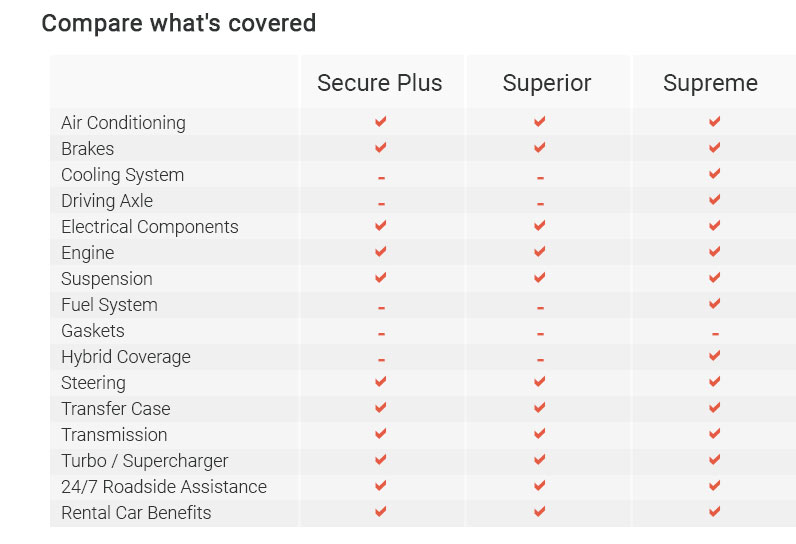
  • Powertrain: engine, transmission, drivetrain components.
  • Comprehensive/"bumper-to-bumper": many parts, not every part.
  • Corrosion: rust-through, not surface spots.
  • Emissions: coverage mandated in many regions, often longer for certain parts.
  • Usually excluded: wear items (brakes, wipers, clutches), damage from neglect, non-approved modifications.

Priority order when a problem appears

  1. Capture symptoms precisely: noises, lights, conditions, timestamps.
  2. Check time and mileage against each coverage type.
  3. Verify maintenance records match the schedule.
  4. Call the servicing dealer or authorized repairer; request a warranty evaluation.
  5. Authorize diagnostics only as needed; keep the RO (repair order) clean and clear.
  6. Ask for parts and labor line items; confirm if any deductible applies.
  7. Escalate to manufacturer support if coverage is disputed.

I said call first. Wait - more precise: document first, then call with that in hand. Saves back-and-forth.

Types and timelines

  • New vehicle limited: short, broad.
  • Powertrain: longer, narrower.
  • Hybrid/EV components: battery and drive systems often special terms.
  • Emissions: statutory; check federal vs state rules.
  • Corrosion: long but specific definitions.
  • Service contract (extended): not a warranty; a paid agreement with its own rules and administrator.

Eligibility checkpoints

  • VIN status shows in-service date; that starts the clock.
  • Mileage at concern vs coverage limit.
  • Proof of maintenance with dates, odometer, and fluids/parts specs.
  • No disqualifying modifications to affected systems.

Real-world moment

At 38,000 miles a check-engine light blinked on during a grocery run. I snapped a photo of the dash, noted fuel level and ambient temp, and drove gently to the dealer. The advisor ran diagnostics, found a failed evap purge valve, confirmed coverage, and I paid nothing. The receipt listed part number, labor time, and warranty claim code. Quiet win.

Documentation that speeds claims

  • Maintenance receipts (oil weight, spec codes, filters used).
  • Symptom notes (cold start, uphill, after refuel, etc.).
  • Dash photos or freeze-frame data if available.
  • Previous RO numbers for related concerns.

Dealer, manufacturer, insurer: who pays what

Manufacturer warranty: maker pays the dealer for approved repairs. Service contract: third-party administrator authorizes and pays per policy; you may owe a deductible. Recalls: safety defects, no charge.

Maintenance and modifications

Follow the schedule in miles or months - whichever comes first. Keep fluids and parts to spec. Mods that touch the failed system can jeopardize coverage; unrelated mods typically do not, but expect scrutiny.

Costs you might still pay

  • Diagnostic fees if concern is not covered.
  • Deductible on service contracts.
  • Rental beyond covered days or rates.
  • Wear items discovered during a covered repair.

Quick glossary

  • Deductible: your portion per visit or repair.
  • TSB: technical service bulletin; known issue with prescribed fix, not a recall.
  • Goodwill: discretionary coverage outside strict terms.
  • Remanufactured: factory-rebuilt part to spec; common in warranty repairs.
  • Pre-authorization: required approval before major work on service contracts.

Simple workflow you can reuse

  1. Document: symptoms, photos, mileage, conditions.
  2. Confirm coverage: time, miles, type.
  3. Book visit; state "warranty evaluation."
  4. Authorize focused diagnostics; ask for findings.
  5. Review: coverage result, out-of-pocket, timeline.
  6. Approve repair; keep all paperwork.
  7. After pickup: test, file receipts with maintenance log.

Keep it lean. Evidence first, decisions second, repairs third. That order saves time - and usually money.

https://www.autocare.org/government-relations/current-issues/Magnuson-Moss-Warranty-Act
The Magnuson-Moss Warranty Act prohibits product manufacturers from conditioning consumer warranties on the use of any original equipment part or service.

https://www.ftc.gov/system/files/documents/plain-language/cfr_buyers_guides_english.pdf
used motor vehicles. Si el concesionario gestiona la venta en espaol, pdale ...

https://www.reddit.com/r/personalfinance/comments/wmmulj/is_purchasing_a_warranty_for_a_used_car_always_a/
No, buying a warranty is not always a bad idea. If you find a good deal on a warranty then it may be worth buying. A good deal would be less the ...


atwratnwm
4.9 stars -1394 reviews